
Kingdom
Administration
Community Development & Public Welfare
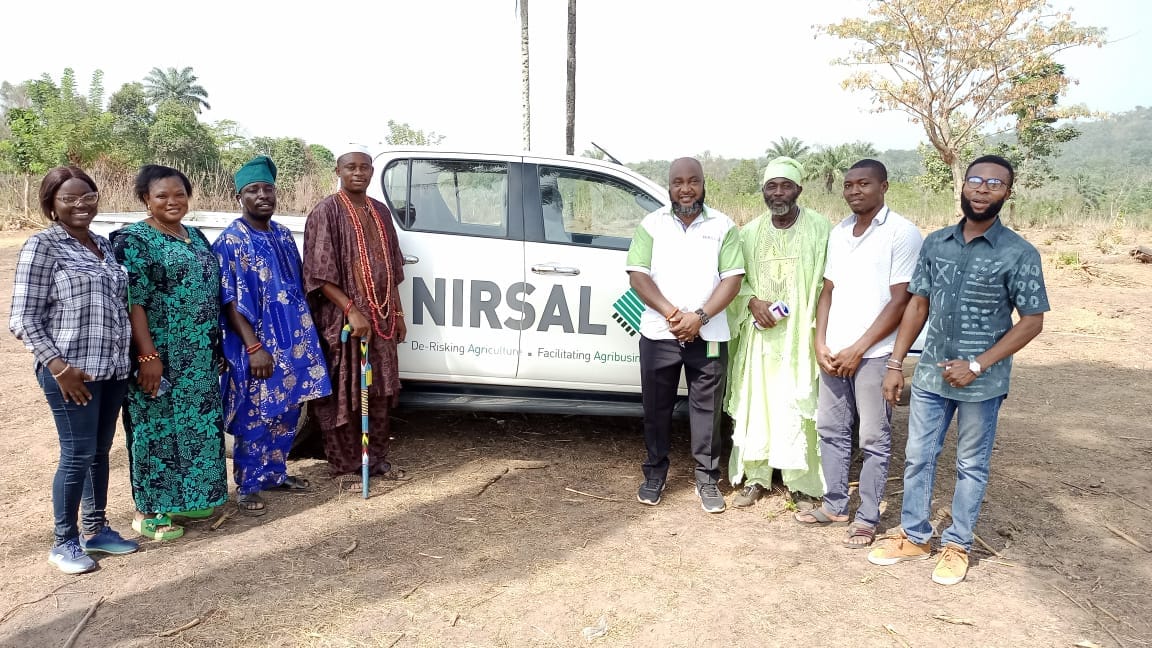
Traditional Chiefs in Arojiji Ijesha Kingdom bridge indigenous leadership with modern governance. They safeguard cultural heritage by documenting traditions and promoting ceremonies, while integrating traditional practices with community development projects. Serving as mediators, they harmonize customary laws with state regulations, resolve conflicts using cultural methods, and empower local chiefs. Their collaborative efforts enhance public welfare, foster social cohesion, and drive sustainable economic growth, ensuring a unified, culturally enriched community that values both historical legacy and progress.

Diplomatic Relations & Trade Expansion
Arojiji Ijesha Kingdom traditional Chiefs champion international cultural exchange and trade expansion. They promote indigenous heritage globally, build strategic diplomatic networks, and negotiate culturally aligned trade agreements that benefit local communities. Leveraging soft power, they enhance global visibility through cultural events and media engagement while advocating for indigenous rights in international forums. Their efforts integrate traditional values with modern diplomacy and economic development to strengthen Arojiji Ijesha Kingdom’s global presence.
Cultural Heritage & Ancestral Traditions
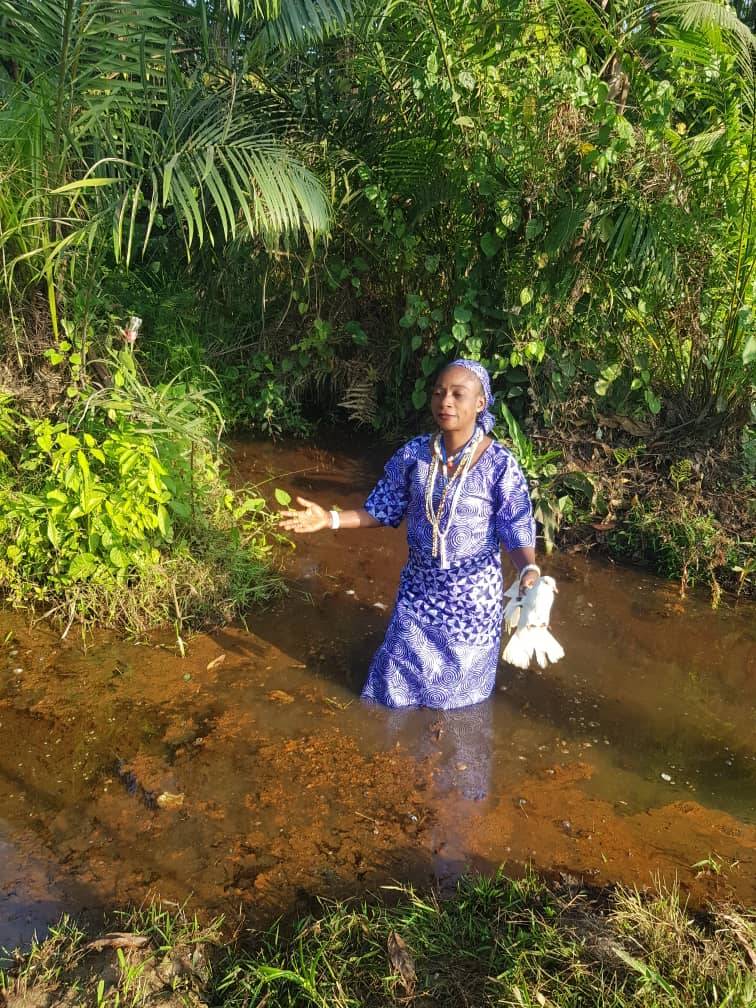
Traditional Chiefs of Arojiji Ijesha Kingdom champion cultural heritage and ancestral traditions, preserving and promoting indigenous Yoruba practices through documentation, revitalization of art, and educational initiatives. They support local artisans, develop community capacity, and advocate for policies safeguarding cultural assets. By fostering international cultural exchanges and partnerships, these Chiefs enhance global visibility of Arojiji Ijesha heritage, ensuring that ancestral wisdom and traditions endure and evolve for future generations while integrating modern strategies for cultural conservation.
Social Welfare & Communal Well-Being
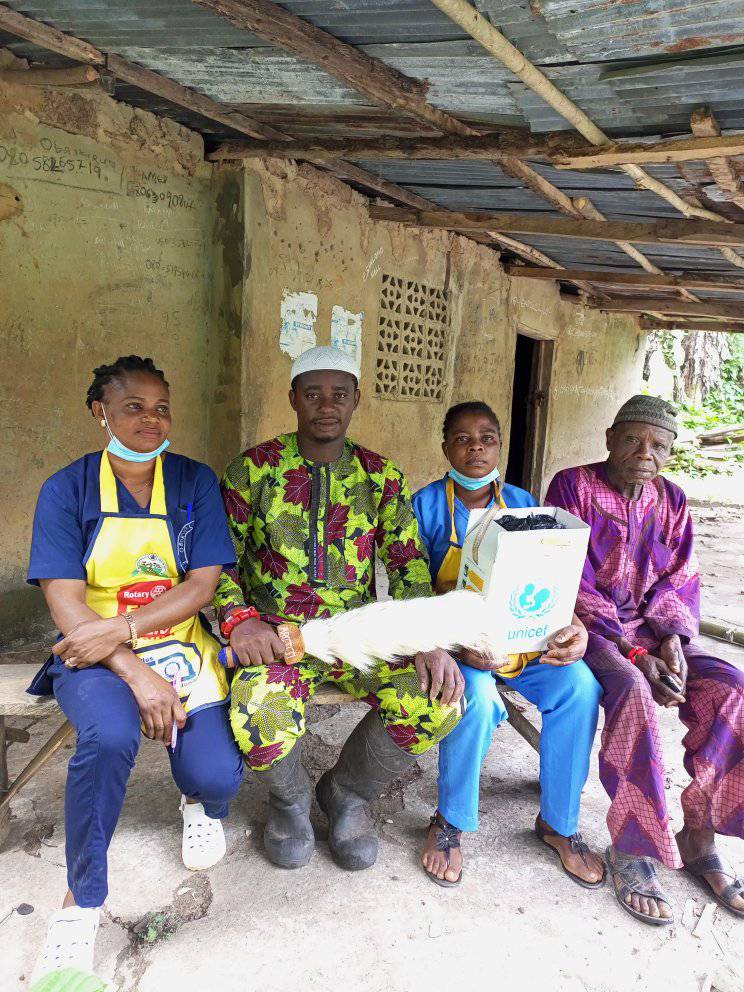
The traditional Chiefs in Arojiji Ijesha Kingdom foster social welfare and communal well-being by promoting cultural unity, facilitating comprehensive welfare programs, and integrating traditional conflict resolution with modern practices. They champion health, education, and economic empowerment, advocate for marginalized groups, and create inclusive forums to boost community participation. Their efforts ensure social cohesion, lasting peace, and sustainable development, empowering youth and women while reinforcing trust and justice throughout the community.